Renting Out Your Holiday Home: The Guide to Getting Started Without Mistakes
Your chalet or apartment sits empty for a good part of the year, and the idea of renting it out short term has been on your mind. Good news: it is one of the best ways to cover your costs, or even generate a real income. But a successful launch does not happen by improvisation - between permits, administrative obligations and hospitality standards, it is better to proceed in the right order. Here is the step-by-step guide to starting without a false start.
Step 1: check what you are allowed to do
Before even thinking “listing”, establish the legal framework. Three levels are layered on top of each other in Switzerland:
- The Lex Weber, which distinguishes between a second home and a dwelling designated for tourist accommodation.
- The municipal regulations, which may regulate, or in some cases even encourage or require, the effective rental of dwellings designated for tourist use.
- The regulations of your condominium (PPE), which may restrict or prohibit short-term rental, or impose conditions (nuisance, common areas, key boxes).
This trio determines what you can actually do with your property. The rules vary greatly from one municipality to another: we detail them by resort, for example in our page on the regulations in Zermatt. Clarifying this point first saves you from investing in a project… that is not permitted.
Step 2: the administrative obligations
Renting out also means becoming a small-scale accommodation provider, with the duties that come with it:
- Registration as a host with the municipality or the tourist body, where required.
- Guest declarations: for each stay, the main traveller’s details must generally be transmitted (name, nationality, dates), often upon arrival.
- Tourist tax: you collect it from the guest and remit it to the municipality. On top of this, in most resorts, comes an annual flat fee covering your own use of the property.
These formalities seem minor taken one by one, but over a season with several dozen bookings, they become a real workload - and a source of good-faith errors that municipalities can penalise. To understand the mechanism in practice, see our guide to the tourist tax in Zermatt, representative of what awaits you elsewhere.
Step 3: prepare the property to the resort’s standards
This is the step where your rating - and therefore your future income - is decided. Guests paying several hundred francs per night compare your property to hotels, not to the holiday lets of yesteryear. In concrete terms:
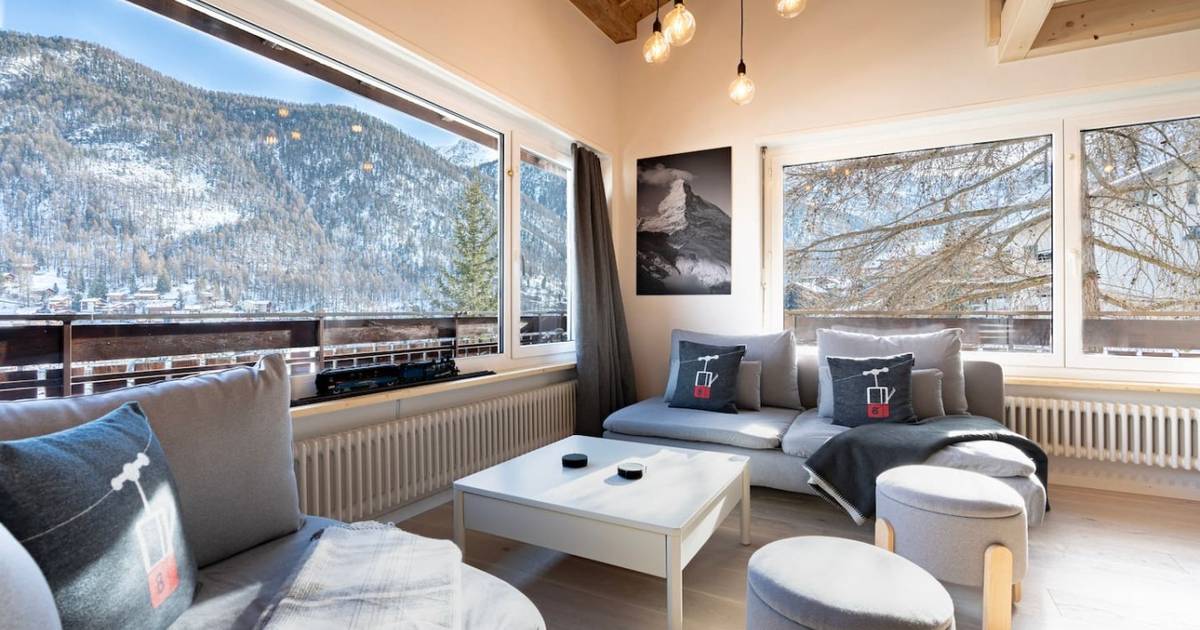
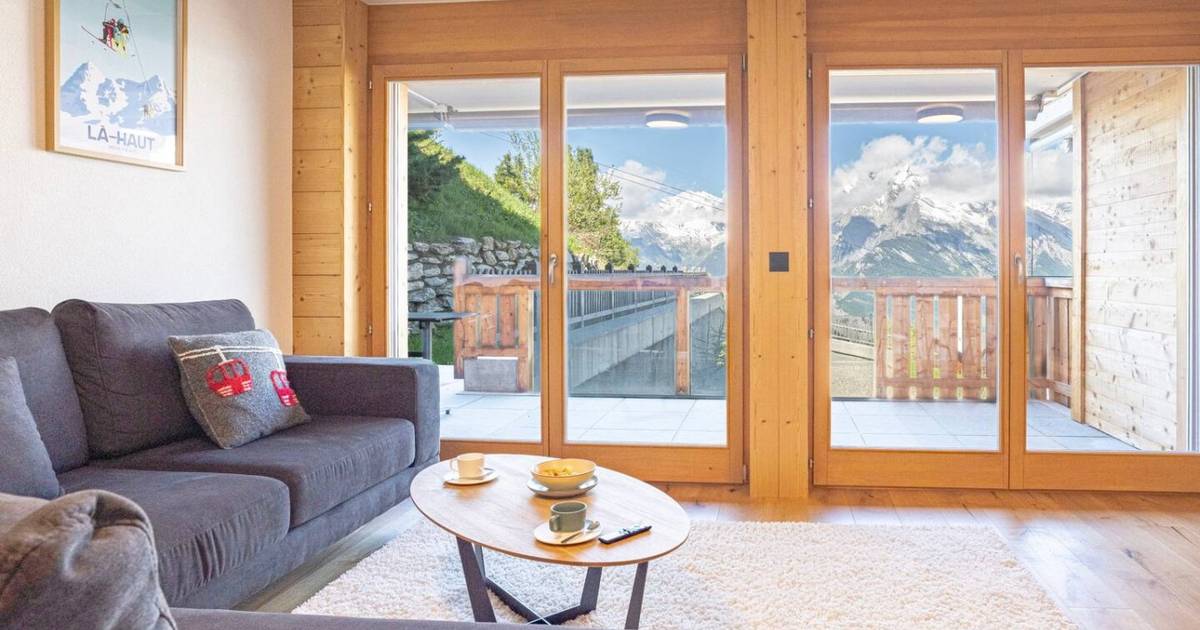
- Complete and reliable equipment: a functional kitchen, quality bedding, fast wifi, and the mountain essentials (ski room, well-controlled heating, sometimes a cot and a high chair).
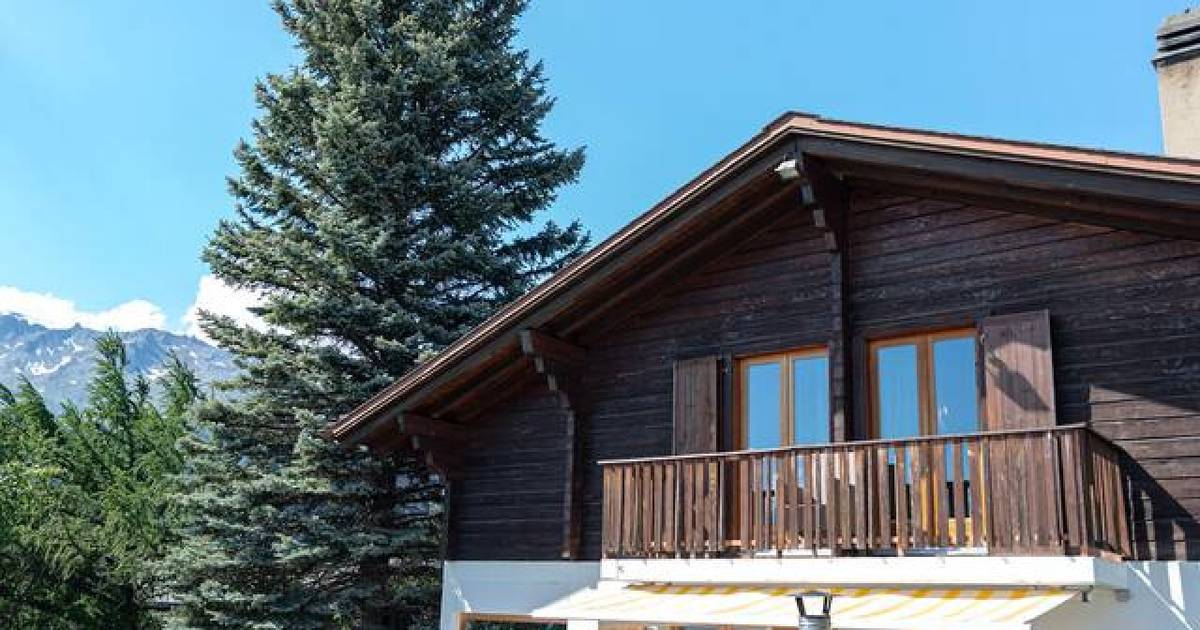
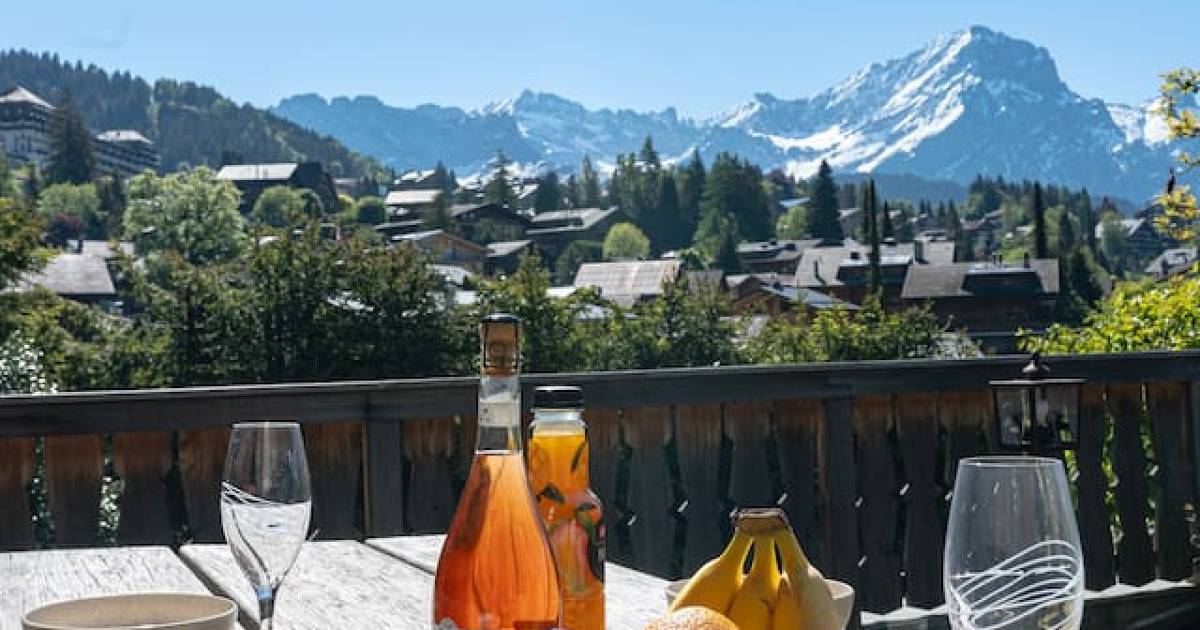
- Professional photography: the first impression is made by the cover photo. A view of the peaks sells - provided it can be seen.
- Hotel-standard cleanliness between each stay, with linen rotation. This is the most fragile link in a resort, where labour is scarce; we explain why in our page on cleaning in Zermatt.
An impeccable and consistent property is the only sustainable lever for maintaining ratings of 4.8 to 5 stars - and those ratings weigh directly on your visibility and your prices.
Step 4: set the right price
The beginner’s trap is a fixed year-round price. In the mountains, demand is extremely seasonal: a week in February is not worth the same as a week in November, a competition or long weekend is not worth the same as a low-season Tuesday. Dynamic pricing - continuously adjusting the price according to demand, school holidays in your source markets and events - easily makes the difference between a property that fills up at a discount and one that optimises every night. It is a daily monitoring job, not a rate set once and for all.
Step 5: manage yourself or delegate?
Finally comes the real question: do you have the time?
Managing it yourself is possible if you are close to the property, available (including for a midnight call or water damage on a Sunday), and ready to orchestrate cleaning, linen, check-in, declarations and pricing. For many owners, especially non-residents, the calculation quickly tips towards delegation: a concierge service handling rental management takes over the entire cycle - creating and distributing the listings, welcoming guests, cleaning and linen, maintenance, collecting the tourist tax and reporting - for a commission taken from the revenue, with cleaning billed to the guest. The right reflex is to compare not “commission vs free”, but net income with professional management vs net income when self-managing, time spent included.
How much time does it take?
This is the variable owners underestimate the most. In high season, an active rental demands almost daily attention: responding to booking enquiries within the hour (guests often book the property that replies fastest), coordinating each cleaning turnover, adjusting prices, handling pre-arrival questions and remaining reachable during the stay. Easily count several hours per booking, and more during high-turnover weeks when departures and arrivals follow one another on the same day.
Add to this the background tasks, more discreet but time-consuming: updating photos and descriptions, monitoring the prices charged in your resort, renewing equipment, small repairs and year-end accounting. Nothing insurmountable if you are organised and available - but it is a real commitment, to be weighed against the income it generates. Many owners discover after one season that the “free time” they imagined has turned into a part-time second job.
Getting off to a good start
Renting out your holiday home is a project that is simple in principle and demanding in detail: legal framework first, formalities next, a property up to standard, a price that follows demand, and a clear-eyed choice between doing it yourself and delegating. Taken in this order, each link secures the next.
To find out what your property can really earn - and to review your obligations in your municipality - request our free owner audit: a revenue estimate and a diagnosis within 24 hours.