Managing a Ski Chalet from Abroad: What Happens Between Two Stays
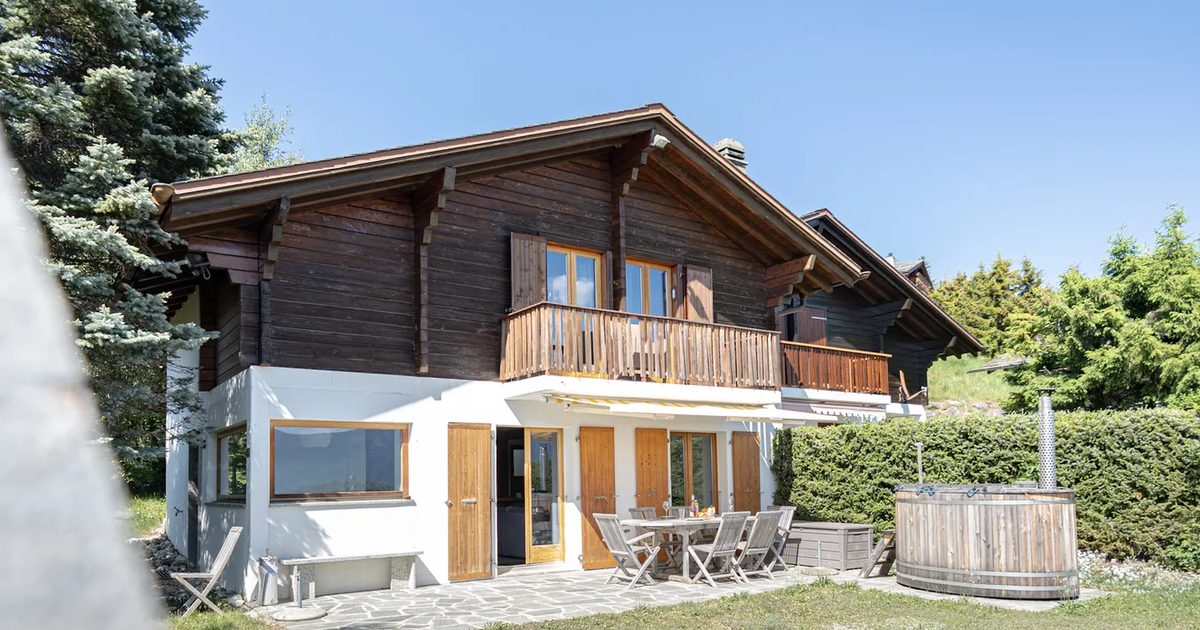
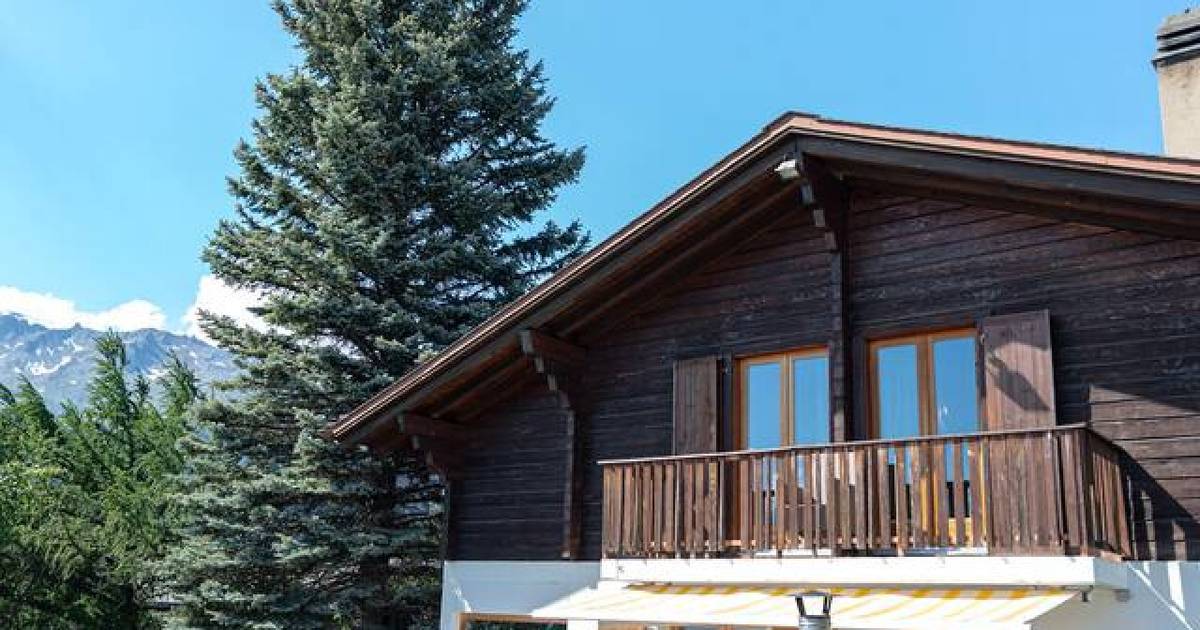
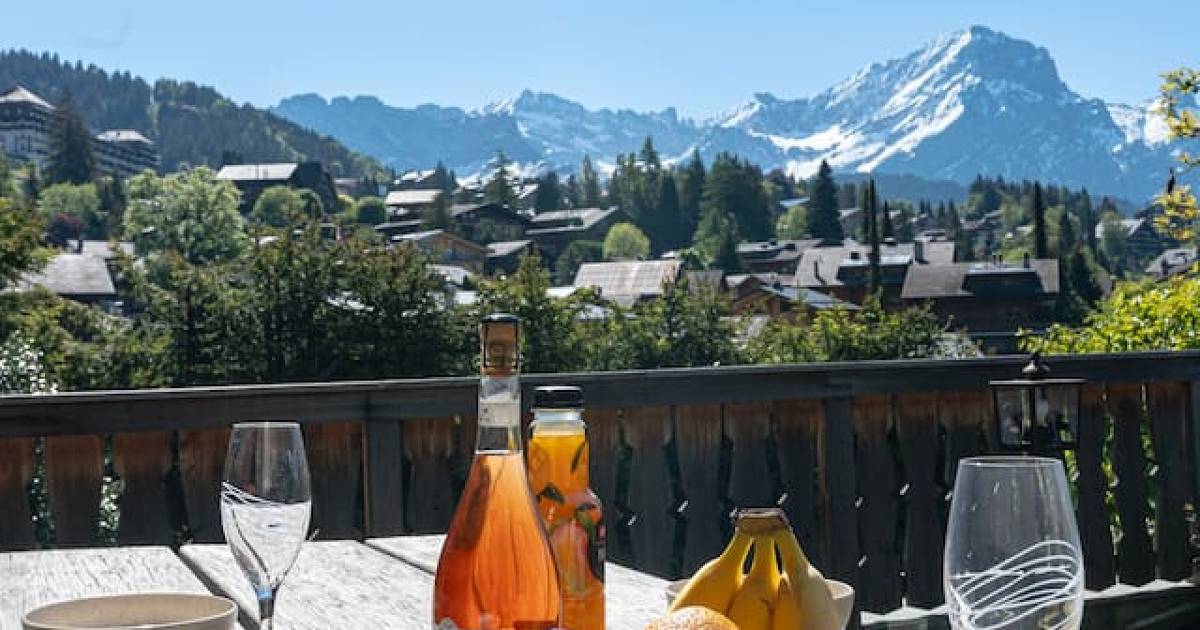
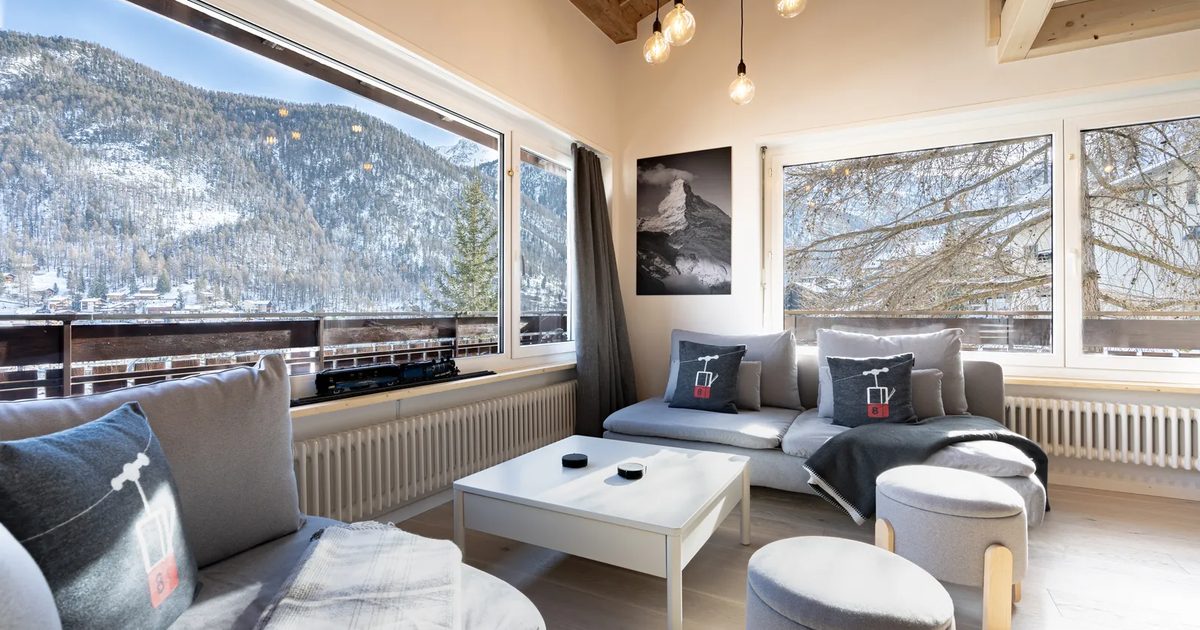
You live in London, Amsterdam, Brussels or Paris, and your chalet or apartment is in Verbier, Nendaz or Zermatt. You know the property will be rented while you are away, but one question keeps coming back: what actually happens between the moment one guest leaves and the moment the next one arrives, when nobody from the family is there to check?
This guide describes that cycle as we run it in the Valais resorts, step by step: before the first guest, on arrival, during the stay, at changeover, between bookings and at the end of the month. It is not a theory of remote management. It is the list of things that must happen, every week, for a property to be rented without its owner having to travel.
Before the first guest: a home set up to run without you
Remote management starts long before the first booking. The aim of the set-up is simple: every task that will be repeated dozens of times a season must be possible without you, and without improvising.
Access first. One system must open everything the guest needs: building door, apartment, garage and ski room. A code for the building, a key for the door, a badge for the garage and a second key for the ski room is a guaranteed failed first evening. For an independent chalet, a smart lock is hard to beat: a unique code for each stay, revoked automatically on departure, and a temporary code for the cleaning team without ever handing over a key. In a condominium, the building’s rules often frame what can be installed in the common parts, so a secure key box, validated with the administrator, is frequently the more robust choice.
A cleaning checklist specific to your home. Room by room and equipment by equipment, drawn up when the property is taken on. It is what allows the same standard to be reproduced every week, whoever is on the team that day.
Linen in rotation. Each property we manage has several complete sets of hotel-quality linen: one in place, one clean in reserve, one being processed at the laundry. This buffer absorbs the busiest Saturdays, when the region’s laundries run at full capacity.
Listings and photos. Professional photos and multilingual listings on Airbnb, Booking.com and VRBO, so that the property is presented properly to an international clientele.
The arrival: a door that opens at any hour
Many guests heading for the Valais resorts land in Geneva late in the day, collect a hire car or take the train, then drive or ride up the valley. Between a delayed flight, a busy rental desk and snow on the mountain road, the gap between the announced and the actual arrival time is regularly counted in hours. A system that depends on someone waiting at the door is a system that will fail.
That is why the arrival rests on three layers:
- Instructions sent before departure, in the guest’s language and readable offline: a GPS point for the actual entrance (never the chalet’s name, which mapping apps often do not know), photos of the facade, the pedestrian access, the parking space and the key device, and a scenario for arriving by car and another for arriving by train.
- Winter details: the vehicle equipment required depending on conditions, a photo of the key device taken at night, a fallback route if the usual access is blocked by snow, and heating restarted in advance. A cold chalet at 11 pm cancels out the benefit of perfectly documented access.
- Assistance reachable during arrival windows, late evenings included, and a local team able to travel. At 11 pm, the only acceptable answer to an access problem is someone who turns up.
For premium chalets, a personal welcome can be added, timed to the guest’s actual arrival: how the spa, the fireplace and the heating work, where the ski room is. You can read how we organise this, resort by resort, on our page about remote check-in in Verbier.
During the stay: one point of contact
While guests are in your home, they deal with us, not with you. Messages are answered, questions about the property are handled, and when something goes wrong, timing is everything: a problem solved during the stay leaves a memory of responsiveness, while the same problem discovered by the owner when reading a review cannot be fixed any more.
This is also where a local presence makes the difference. A boiler that stops on a Saturday evening in February or a key device frozen shut cannot be solved by phone from another country. Maintenance and repairs are covered seven days a week.
The changeover: cleaning, linen and a check
Changeover is the critical moment of short-term rental, and in high season it often falls on the same day for the whole resort. A short-term rental clean has nothing to do with household cleaning: it is a hotel-style reset.
Each changeover includes a complete change of linen, disinfection of bathrooms and kitchen, a check of the dishes and equipment, restocking of consumables, upkeep of the spa or sauna where there is one, and the staging of the home. Linen is processed in a professional laundry, not in the home’s washing machine: on a changeover day, a large chalet produces far more linen than a domestic machine can handle. A large chalet also cannot be turned around by one person in the window between departure and arrival: it takes a team working in parallel.
Then comes the step that protects you most: the check. After each clean, the team documents the result with photos and reports any anomaly, such as a dead bulb, a tired seal or missing dishes. A final inspection validates the home before the guests arrive: linen, consumables, temperature, lighting, snow-cleared access. A defect spotted at 2 pm can be fixed; the same defect discovered by the guest at 10 pm becomes a review.
On top of the changeovers come an intermediate clean with a linen change for long stays, and a deep clean between seasons (windows, mattresses, appliances, textiles) before the winter season and after the summer. Our page on cleaning in Verbier describes this protocol in detail.
Between bookings: small repairs and the long run
Most small breakdowns are found during a clean or a check, not by a guest. Each anomaly reported triggers maintenance before the next arrival: that is the whole point of documenting every visit. Regular inspections and preventive maintenance do the rest, so that a small problem does not become a big one in an empty home.
Deposits are handled as part of the service, and when a guest causes damage, the claim is made with the platform within its deadlines. Larger work on the property remains your decision: we prepare the information, you decide.
Tourist tax and the guest register
Every stay creates obligations towards the municipality. The nights are declared, the tourist tax is collected from the guests and then remitted according to the municipal scale, and the guest register must be kept, which means identifying the guests for each stay. Done from abroad and improvised, this quickly becomes unmanageable. For the properties we manage, collection, declaration and remittance of the tourist tax are automated. Each municipality has its own rules; our guide to the tourist tax in Zermatt shows what this looks like in practice.
Your own tax return is a different matter. Income from a property in Switzerland is taxable there, even if you live abroad, and your country of residence applies its own rules under the relevant double taxation treaty. We explain the principles in our guide for owners of a Valais holiday home living abroad.
The monthly statement and payout
At the end of each month, you receive a statement that lets you judge your property’s performance on a single document, without cross-checking three platform statements: bookings, income received, fees deducted, occupancy, tourist tax remitted, interventions carried out on the property and guest reviews. The net amount for each month is paid out between the 20th and the 25th of the following month.
This statement is also the document your tax adviser needs: nights, income, expenses and tourist tax, month by month. Our commission is 25% of the net amount, after deducting platform fees, transaction fees and cleaning, which is billed to the guest.
What remains your decision
Remote management does not mean losing control of your home. You block your personal dates freely in the calendar, and the rest of the year is put on the market. Prices are adjusted day by day with dynamic pricing according to season, demand and local events. Decisions that belong to an owner, such as work on the property or the periods you keep for yourself, are made by message or phone call, on the basis of information prepared in advance.
In short
Between two stays, a well-run chalet goes through the same sequence every time: departure, clean, photos, check, repair if needed, final inspection, arrival. Add the guest messages, the tourist tax, the guest register and the monthly statement, and you have the real content of remote management. None of it requires you to travel; all of it requires someone on site.
If your property is in one of the resorts where we operate, our page on Airbnb management in Valais presents the six resorts and how we work. Our free audit gives you an income estimate and a review of your property’s set-up within 24 hours.